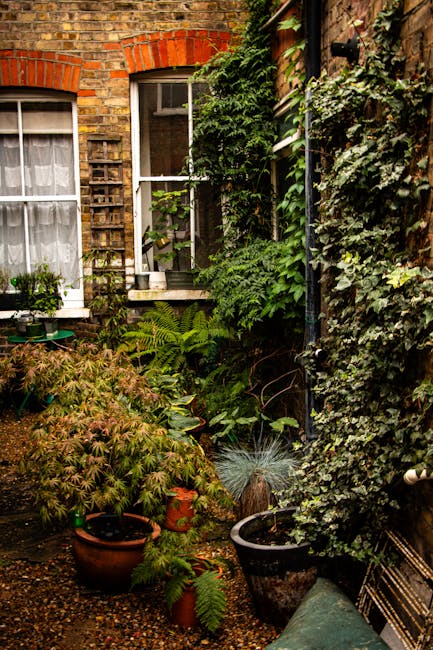
Best gardeners for small terraces near Holborn Station: a practical local guide
If you live or work near Holborn Station, you already know the reality of small terraces in central London: limited floor space, awkward shade, neighbour sightlines, and not much room for trial and error. Choosing the best gardeners for small terraces near Holborn Station is less about finding the biggest landscaping team and more about finding people who understand compact outdoor spaces, vertical planting, tidy maintenance, and the pace of city living.
That matters because a small terrace can look fantastic with the right approach, but it can also tip into clutter quickly if the planting, drainage, or maintenance plan is off. In this guide, we'll break down what a good small-terrace gardener actually does, how to judge quality, what to expect, and how to avoid the classic mistakes that waste time and money. Truth be told, a terrace near Holborn can be a tiny gem. Or a wind tunnel with pots. The difference is in the detail.
Table of Contents
- Why Best gardeners for small terraces near Holborn Station Matters
- How Best gardeners for small terraces near Holborn Station Works
- Key Benefits and Practical Advantages
- Who This Is For and When It Makes Sense
- Step-by-Step Guidance
- Expert Tips for Better Results
- Common Mistakes to Avoid
- Tools, Resources and Recommendations
- Law, Compliance, Standards, or Best Practice
- Options, Methods, or Comparison Table
- Case Study or Real-World Example
- Practical Checklist
- Conclusion
- Frequently Asked Questions
Why Best gardeners for small terraces near Holborn Station Matters
Small terraces need a different mindset from larger gardens. On a compact terrace, every choice does more than one job. A planter might provide privacy, soften a wall, and frame the seating area all at once. A poorly chosen plant, on the other hand, can crowd the path, shed leaves everywhere, or struggle in the wind and dry conditions common to upper-level city spaces.
Near Holborn Station, there's also the practical side of central London living. Spaces are often shared by flats, offices, or mixed-use properties, which means access, noise, and cleanliness matter as much as visual appeal. The best gardeners for small terraces near Holborn Station understand that a successful terrace has to be attractive, manageable, and neighbour-friendly. Not just pretty on day one.
In our experience, the clients who get the best results are the ones who ask for design and maintenance together. That simple shift makes the terrace easier to live with over time, especially when you do not want a full garden makeover every few months. Small space, big expectations. Fair enough.
Expert summary: The right gardener for a small terrace in Holborn should know how to balance design, drainage, privacy, planting structure, and maintenance frequency without making the space feel crowded or fragile.
How Best gardeners for small terraces near Holborn Station Works
Working on a small terrace usually starts with a site assessment. A good gardener will look at sunlight, shade, wind exposure, drainage, access, and how the terrace is actually used. Are you after a quiet breakfast corner, a bit of greenery for work breaks, or a low-maintenance space that simply looks polished from the kitchen window? That answer shapes everything.
Then comes the plant and layout plan. For compact terraces, the best outcomes usually involve layered planting rather than lots of separate items. Think of tall pots for structure, medium-height plants for softness, and trailing plants to blur hard edges. A skilled gardener will know how to keep the whole thing visually light, because small terraces can feel cramped very quickly if every pot is oversized or every plant is boxy.
After that, it's about installation and ongoing care. On central London terraces, the job often includes watering plans, seasonal refreshes, pruning, feeding, and checking for blocked drainage or container stress after storms. It's not glamorous, no. But that's exactly what keeps the terrace looking intentional instead of neglected.
If the space needs broader improvements, a gardener may work alongside a landscaping specialist or recommend services such as landscape gardening or landscaping to help the terrace feel coherent rather than pieced together. For spaces that need regular upkeep, garden maintenance is often the difference between a nice setup and a consistently good one.
Key Benefits and Practical Advantages
Hiring the right gardener for a small terrace is not just about appearance. The real value is in making the space easier to use and easier to keep looking good. Here are the main benefits people tend to notice first.
- Better use of space: Smart plant placement opens up circulation and avoids the "everything is in the way" feeling.
- Cleaner, calmer look: Good structure makes even a tiny terrace feel more organised and restful.
- Improved privacy: Layered planting and screening can soften views from neighbouring windows without making the terrace heavy.
- Lower maintenance stress: The right planting scheme reduces deadheading, constant rescue watering, and frantic weekend tidy-ups.
- Healthier plants: Proper containers, compost choice, and drainage mean fewer losses during hot spells or wet weather.
- Longer-lasting investment: A well-planned terrace tends to stay useful and attractive for longer, which matters if you rent, own, or manage the property.
There's also a quieter benefit: the place feels better to be in. You step out for ten minutes with a coffee and the terrace actually gives something back. Sounds small, but in a busy area near Holborn Station, small wins count.
Who This Is For and When It Makes Sense
This service makes sense for a lot of different people, not just homeowners with design ambitions. In fact, some of the best projects are the modest ones where the goal is simply to stop the terrace from feeling unfinished.
- Flat owners who want a compact outdoor area to feel greener and more usable.
- Renters who need a reversible, low-disruption refresh with pots and planters rather than permanent changes.
- Landlords and property managers who want a terrace to look presentable for viewings or tenants.
- Home workers who use the terrace as a break space and want it to feel calming rather than busy.
- Hospitality or office premises near Holborn that want a polished outdoor area for staff or visitors.
It usually makes sense when your terrace has one or more of these issues: too much direct sun, uneven shade, wind exposure, no privacy, awkward dimensions, or just a general lack of direction. If you're constantly moving pots around trying to make things "work", that's usually the sign. To be fair, most small terraces need a plan, not another random plant.
For people who are mainly struggling with cluttered edges, overgrown screening, or boundary planting, services like hedge trimming can also be useful, especially where the terrace is framed by living screens or taller container plants.
Step-by-Step Guidance
If you want to choose the best gardeners for small terraces near Holborn Station, it helps to think in stages. That way you compare people on process, not just on a polished photo or a friendly pitch.
- Define the purpose of the terrace. Is it for relaxing, entertaining, privacy, or low-effort greenery? A terrace designed for dinner drinks needs a different layout from one meant mainly for year-round visual interest.
- Assess the conditions honestly. Note sun direction, shade, wind, water access, and how much space you really have once furniture is in place. Measure first. Guessing is how people end up with oversized planters blocking the door.
- Ask about terrace experience. You want someone who has worked on small balconies, roof terraces, courtyards, or other restricted urban spaces. This is a specialist skill, not just general gardening.
- Review their planting ideas. Good suggestions should account for seasonality, watering needs, and maintenance. If every suggestion is high-impact but high-maintenance, be careful.
- Check whether they plan for maintenance. A terrace is not a one-off job. Ask how often plants will need pruning, feeding, and replacement.
- Confirm access and waste removal. In central London, moving soil, pots, or old planting material is often part of the job. A tidy finish matters.
- Agree the budget and scope clearly. Make sure design, supply, installation, and aftercare are all clear in writing. Confusion here leads to awkward conversations later.
A good gardener will also talk you through practical alternatives. For example, if you want more privacy but the terrace is very exposed, they may suggest tall-potted planting rather than permanent screens. A useful read on that kind of approach is this guide to creating a living privacy screen with tall potted plants, which fits the small-terrace brief nicely.
Expert Tips for Better Results
Little decisions make a big difference on terraces. Here are the things that usually separate a decent result from a really good one.
- Choose fewer, better containers. A handful of well-sized pots usually looks calmer than a scatter of mismatched ones.
- Use repetition for structure. Repeating one or two plant forms creates rhythm and avoids visual noise.
- Think about height in layers. One tall element, one mid-layer, one soft trailing layer. Simple, but effective.
- Pick plants that match the exposure. Shade-loving plants in a bright terrace will sulk. Sun lovers in deep shade will do the same. Plants are fussy like that, frankly.
- Plan for watering before summer. Containers dry out fast in warm weather, especially in sheltered city heat or windy upper levels.
- Keep one surface clear. A small open area gives the terrace breathing room, even if the rest is densely planted.
One practical habit I always recommend: stand at the door and look out for thirty seconds before approving any layout. If the first thing you notice is clutter, you will keep noticing clutter. If the eye lands on one or two strong features, the space feels bigger. Simple test. Very effective.
If you need more ongoing help, a reliable services overview can help you understand what sits under maintenance, clearance, planting, and related terrace work, without overcomplicating the decision.
Common Mistakes to Avoid
Small terraces are unforgiving in one sense: mistakes show quickly. The good news is that most of the common problems are avoidable if you know what to watch for.
- Overfilling the space. Too many pots, too much furniture, too many plant types. It gets busy fast.
- Ignoring drainage. Waterlogged containers cause root problems and messy patios. Not glamorous, but vital.
- Choosing plants for looks only. A beautiful plant that hates the site is a short-term pleasure and a long-term nuisance.
- Forgetting wind exposure. Tall containers can topple or dry out quickly if the terrace is exposed.
- Skipping maintenance planning. A terrace may look fine at installation and then unravel by mid-season if no upkeep is scheduled.
- Using oversized materials. Heavy furniture and huge planters can swallow the available space.
Another mistake is assuming every gardening company understands compact urban terraces. Some do, some don't. Ask them to explain how they'd approach a narrow terrace near Holborn Station specifically. If the answer stays vague, move on.
Tools, Resources and Recommendations
You do not need a shed full of equipment for a small terrace, but the right tools and support make a noticeable difference. For gardeners, that often means lightweight tools, clean pruning equipment, quality compost, containers with adequate drainage, and watering equipment suited to restricted spaces.
From a homeowner's perspective, the most useful "resource" is actually a clear brief. Keep a note of:
- how much sun the terrace gets across the day
- which side is windy or sheltered
- whether you want colour, privacy, herbs, low maintenance, or all four
- how often you're realistically willing to water or maintain it
- what must stay clear, such as doors, vents, or storage access
If the terrace needs clearing first, it can be worth combining the project with garden clearance so the new layout starts from a clean slate. And if there are climbing plants, older screens, or boundary growth that need a reset, tree lopping and removal may be relevant in some cases, though only where appropriate and lawful for the site.
There's also the sustainability angle. If you care about reducing waste or reusing materials, ask whether the gardener follows local recycling and responsible disposal practices. Some teams will be able to explain how they approach reuse and waste separation. It's a small detail, but a meaningful one.
Law, Compliance, Standards, or Best Practice
For small terraces near Holborn Station, the compliance side is usually less about complicated legislation and more about sensible best practice. Still, a reputable gardener should be aware of safety, access, and neighbour considerations.
For example, work on terraces may involve carrying materials through shared entrances, using tools safely at height, or avoiding damage to waterproof membranes and drainage outlets. If the terrace is part of a managed building, there may also be building rules about working hours, noise, waste handling, or contractor access. These are not one-size-fits-all rules, so it is wise to check the building's requirements before work begins.
A trustworthy provider should also be able to discuss insurance and safe working habits. That does not mean they need to bury you in paperwork, but they should be comfortable explaining how they reduce risk. If you want more reassurance, pages such as insurance and safety and health and safety policy are the sort of documents a careful business may provide to explain its approach.
Best practice also includes protecting the terrace structure itself. On small urban terraces, bad drainage or overloading planters can create problems you do not spot immediately. A thoughtful gardener will consider weight, runoff, membrane protection, and how water behaves after heavy rain. That kind of caution is worth paying attention to.
Options, Methods, or Comparison Table
Different small-terrace approaches suit different goals. Here's a simple comparison to help you decide what style of support is most useful.
| Approach | Best for | Strengths | Watch-outs |
|---|---|---|---|
| Light-touch planting refresh | People with an existing terrace who mainly need a tidy-up | Quick improvement, lower disruption, budget-friendly | May not solve layout or privacy issues |
| Full terrace redesign | Spaces that feel awkward, cluttered, or unusable | Better structure, better flow, stronger long-term result | Requires more planning and usually more cost |
| Maintenance-only service | Terraces that already look good but need upkeep | Keeps the space consistent through the seasons | Won't fix weak design choices |
| Privacy-led planting scheme | Overlooked terraces or spaces close to neighbouring windows | Improves comfort and usability | Needs thoughtful plant selection and ongoing care |
If you are unsure which route to take, a mixed approach often works best: small redesign, then regular maintenance. That keeps the terrace from drifting into the "almost nice" category, which is where many city spaces end up. Close, but not quite. Annoying, really.
Case Study or Real-World Example
Here's a realistic example based on the kind of terrace work often needed near Holborn Station. A compact upper-level terrace had good light in the morning, patchy shade by afternoon, and a constant sense of clutter. The owners wanted somewhere to sit with coffee, but they also wanted privacy from nearby windows.
The first step was clearing out mismatched pots and old, tired planting. Then the gardener reworked the terrace around three simple layers: two taller screening planters, a middle layer of compact evergreen structure, and a softer trailing edge to make the hard paving feel less harsh. The seating area was kept clear so the space still felt usable, not packed.
Nothing dramatic, just considered. And that was the point.
The result was not a show-garden. It was better than that. It was a terrace the owners could actually use on a weekday evening without feeling they had to "tidy it up first". The plants gave the space shape, the layout opened up the floor area, and the maintenance plan meant the whole thing stayed manageable. In central London, that is the win. Not perfection, usability.
If a project like this sounds familiar, the most relevant next step is usually a simple consultation rather than a full redesign pitch. The right gardener will listen first and recommend only what the space genuinely needs.
Practical Checklist
Use this checklist before choosing a gardener or agreeing a terrace plan:
- Have I measured the terrace and noted the usable walking space?
- Do I know how much sun, shade, and wind the terrace gets?
- Have I decided whether I want privacy, colour, structure, or low maintenance?
- Has the gardener worked on small urban terraces before?
- Did they explain how they would handle drainage and container weight?
- Do I understand what is included in design, supply, installation, and aftercare?
- Have I checked building access rules or landlord requirements if relevant?
- Does the plan leave enough open space so the terrace still feels comfortable?
- Is there a realistic maintenance schedule for watering, pruning, and seasonal refreshes?
- Have I asked what happens if plants fail or need replacing soon after installation?
If you can tick most of those boxes, you are in good shape. If not, pause and clarify things before work starts. A little patience now saves a lot of frustration later.
Conclusion
Finding the best gardeners for small terraces near Holborn Station is really about finding someone who understands tight spaces, city conditions, and the small decisions that make a terrace feel calm instead of crowded. The right gardener will think about structure, planting, maintenance, privacy, and practicality as one joined-up job.
That is what turns a tricky terrace into a space you actually want to use. Not just look at. Use. And in a busy part of London, that matters more than people often realise.
Get a free quote today and see how much you can save.
When a small terrace is planned well, it gives back a surprising amount of peace. A bit of green, a bit of order, and a bit of breathing room. Honestly, sometimes that is enough.
Frequently Asked Questions
What makes a gardener suitable for a small terrace near Holborn Station?
A suitable gardener should have experience with compact urban spaces, know how to manage containers and privacy planting, and understand that terraces need both design and maintenance. Small spaces are less forgiving, so practical judgement matters a lot.
How do I know if I need gardening or landscaping for my terrace?
If you mainly need planting, pruning, and upkeep, gardening is usually enough. If the terrace needs layout changes, screening, or a more complete redesign, landscaping or landscape gardening may be more appropriate. Sometimes the answer is a bit of both.
Are small terraces hard to maintain in central London?
They can be, mainly because containers dry out quickly and wind can stress plants. But with the right plant choices and a sensible watering plan, maintenance becomes very manageable. The trick is not overcomplicating it.
How often should a small terrace be maintained?
That depends on the planting and exposure, but many terraces benefit from regular seasonal visits and light ongoing care during the warmer months. If the space includes fast-growing screening plants or lots of containers, more frequent attention may help.
What plants work best for a terrace with shade near Holborn?
Shade-tolerant plants, compact evergreens, and structural containers tend to work well. The best choice depends on how deep the shade is and whether the terrace gets any bright indirect light. A gardener should tailor the palette to the exact conditions.
Can a gardener help make a small terrace feel more private?
Yes. Privacy is often created through layered planting, tall pots, screen planting, and careful placement of furniture. The goal is usually to soften views without making the terrace feel boxed in.
Should I choose low-maintenance plants for a terrace?
If you do not want to spend much time watering or pruning, low-maintenance plants are a smart choice. They are especially useful for busy professionals, second homes, or rental properties. Just remember that low-maintenance does not mean no maintenance.
What should I ask before hiring a gardener for a small terrace?
Ask about their experience with small urban terraces, how they handle drainage, what maintenance will be needed, and whether the plan suits your actual level of use. Also ask for a clear scope so you know what is included.
Do I need permission to change a terrace in a flat or managed building?
Sometimes, yes. It depends on lease terms, building rules, and whether the work affects shared areas or structural elements. If you are unsure, check with the building manager or landlord before starting.
How much should I expect to change on a small terrace?
That depends on your goals and the existing condition of the space. Some terraces only need a refresh and better plant selection. Others need a more complete redesign. A good provider will be honest about what is worth doing and what is not.
Can garden clearance be part of the project?
Absolutely. In many cases, clearing old pots, tired plants, and clutter is the best first step. It gives the new layout room to breathe and makes the final result look more intentional.
How do I keep the terrace looking good after the work is done?
Keep to a simple watering routine, remove dead growth promptly, and schedule seasonal maintenance before the space gets messy. Small terraces are easiest to keep tidy when problems are dealt with early rather than left to build up.