Camden Council rules for tree pruning and garden waste: a practical guide for local homeowners and gardeners
If you are pruning a tree or clearing up a garden in Camden, the rules can feel a bit fiddly at first. One day you are tidying a messy border, the next you are wondering whether those branches count as green waste, whether a protected tree needs permission, and where on earth the cuttings should go. Camden Council rules for tree pruning and garden waste are not hard once you understand the logic behind them, but they do reward a careful approach.
This guide breaks the topic down in plain English. We will look at what matters, how the process usually works, what to do with clippings and branches, where people get caught out, and how to keep your garden tidy without creating a compliance headache. If you want broader help with regular upkeep, it can also be useful to look at garden maintenance support or more intensive garden clearance when a job has grown legs and is no longer a quick weekend task.
Truth be told, most problems happen because people treat tree pruning and waste disposal as the same issue. They are related, yes, but not identical. The pruning itself may involve tree protection rules, wildlife considerations, and safe working practices; the waste side is about how you store, separate, carry, and remove the material. Get those two parts right and life becomes much easier.
Table of Contents
- Why Camden Council rules for tree pruning and garden waste Matters
- How Camden Council rules for tree pruning and garden waste Works
- Key Benefits and Practical Advantages
- Who This Is For and When It Makes Sense
- Step-by-Step Guidance
- Expert Tips for Better Results
- Common Mistakes to Avoid
- Tools, Resources and Recommendations
- Law, Compliance, Standards, or Best Practice
- Options, Methods, or Comparison Table
- Case Study or Real-World Example
- Practical Checklist
- Conclusion
- Frequently Asked Questions
Why Camden Council rules for tree pruning and garden waste Matters
Camden is a dense part of London, and that changes the picture quite a bit. Gardens are often small, properties sit close together, and mature trees can have real environmental value. That means pruning is not just a matter of "snip and tidy". You need to think about tree health, neighbour impact, waste handling, access, and whether the tree is subject to any protection.
There is also the practical side. Garden waste can become slippery, bulky, smelly, and awkward fast. A few bags of hedge clippings is one thing. A pile of damp branches after a windy week is another. If you leave it too long, it can block paths, attract pests, and make the whole space feel more chaotic than calm. Most people know the feeling when the back corner of the garden starts looking like a storage unit for twigs.
Following the right approach matters because it helps you:
- avoid damaging a healthy tree through poor cuts or bad timing
- reduce the risk of complaints from neighbours over overhanging branches or blocked light
- keep waste sorted and easier to remove
- lower the chance of breaching local rules or protected tree controls
- protect yourself and anyone helping on the day
And there is a quieter benefit too: when you know the rules, you make better decisions. You prune with purpose, not panic.
How Camden Council rules for tree pruning and garden waste Works
The easiest way to think about it is in two separate layers. First, the tree or shrub layer: can the work be done, and should it be done now? Second, the waste layer: what happens to the cuttings afterwards?
1) Check the tree before you cut
Before pruning anything substantial, you should establish whether the tree has protection or special sensitivity. In London, that can include Tree Preservation Orders, conservation area controls, or simple site-specific constraints. If you are unsure, stop and check rather than assuming. A quick "I'll just take a bit off" can become an expensive mess if the tree is protected.
For routine hedge work, small branch removal, or light shaping, the risk is usually lower. For larger trees, significant canopy reduction, or work near boundaries and streets, it is worth taking a slower, more cautious approach. If a tree looks unstable, dead, or structurally compromised, that is the point to consider professional support through tree lopping and removal services rather than improvising on a ladder.
2) Prune with tree health in mind
Good pruning is selective. You remove dead, damaged, crossing, or badly placed growth. You do not just shave the tree into shape because it is convenient. That may sound obvious, but let's face it, a lot of bad pruning is done with the best intentions and the wrong pair of secateurs.
Where possible, make clean cuts, avoid stripping too much at once, and respect the natural shape of the plant. Heavy pruning at the wrong time can stress the tree or encourage weak regrowth. For hedges, it is often better to trim little and often rather than let them become a dramatic annual haircut project.
3) Separate green waste from general waste
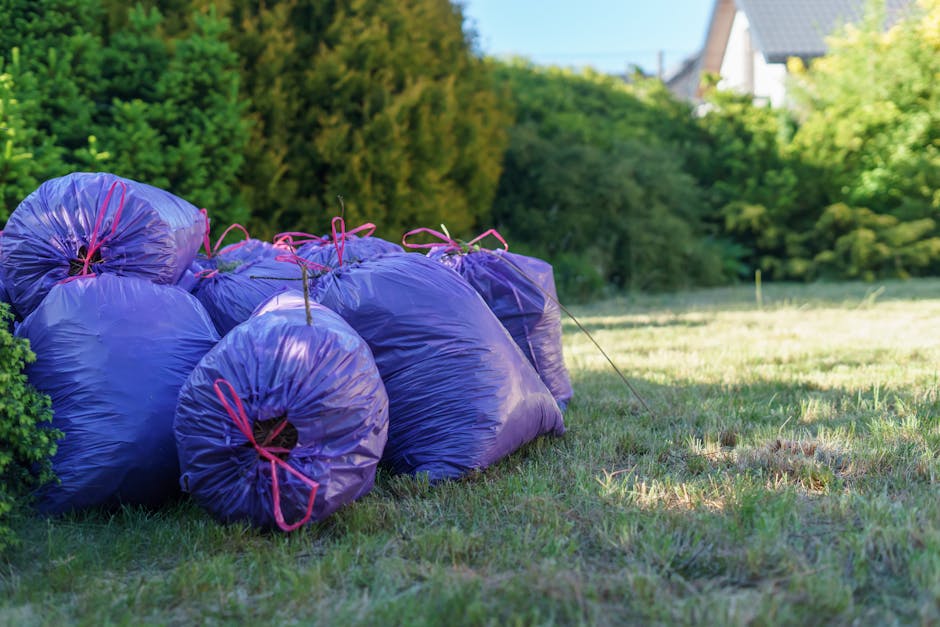
Garden waste normally means biodegradable material such as leaves, grass cuttings, hedge trimmings, small branches, and plant material. It should be kept separate from general household rubbish whenever possible. Mixed waste is harder to handle, harder to recycle, and more likely to create extra disposal costs.
On a practical level, that means keeping your pruning waste in manageable piles or bags, rather than mixing it with soil, rubble, plastics, broken pots, or old fencing. If you are clearing a whole garden after a season of neglect, the easiest solution is often a full garden clearance so waste can be sorted properly from the start.
4) Arrange removal or reuse responsibly
Some garden waste can be composted on site, some can be reused as mulch, and some needs to be removed entirely. The right choice depends on space, volume, and what type of material you are dealing with. Small twiggy waste is often easy to compost. Larger woody branches may need chopping down first or collecting for off-site disposal.
If you want the garden to look cared for all year round rather than only after a major job, ongoing garden maintenance can help keep waste volumes down and reduce the need for big clear-outs.
Key Benefits and Practical Advantages
There is a reason careful pruning and tidy waste handling feel so satisfying. You end up with a better-looking garden, yes, but also a safer and easier space to manage.
- Healthier trees and shrubs: sensible cuts support structure and growth.
- Less clutter: tidy waste handling keeps the garden usable while work is underway.
- Lower risk of complaints: neighbours are less likely to object when hedges and branches are managed properly.
- Cleaner finish: a garden looks properly finished when waste is removed, not just hidden.
- Better recycling potential: green material is easier to compost or recycle when it is kept separate.
- Safer working conditions: fewer loose branches, less trip risk, and less chance of cuts or strains.
There is also a financial angle. Waste that is separated sensibly is often easier and cheaper to handle than mixed rubbish. And while every garden is different, a little planning usually saves a second visit, another bag run, or a last-minute scramble for disposal options.
If your project is part of a wider outdoor refresh, you may also find it helpful to combine pruning with hedge trimming or broader landscaping so the whole space works together rather than being patched up piecemeal.
Who This Is For and When It Makes Sense
This topic matters to a fairly broad group of people in Camden, not just keen gardeners.
- Homeowners with mature trees, hedges, or overgrown borders
- Landlords and property managers responsible for keeping outdoor areas presentable
- Tenants who are expected to maintain a small garden or courtyard
- Older residents who want the garden kept safe and manageable without heavy lifting
- Busy families who need practical, low-fuss maintenance
- Anyone dealing with a one-off clear-up after storms, seasonal growth, or an overdue tidy-up
It makes sense to pay attention to the rules whenever you are doing more than light decorative trimming. If the job involves ladders, larger branches, a mature tree near a boundary, or a lot of waste, the risk profile changes. That is usually the point where people decide it is simpler to bring in help. Fair enough.
For example, a small courtyard in Camden Town with a few shrubs is one thing. A rear garden with two broadleaf trees, heavy leaf drop, and a side return full of green waste is another altogether. Same general topic, very different practical reality.
Step-by-Step Guidance
Here is a sensible process that works for most domestic gardens.
- Inspect the garden carefully. Look for dead wood, crossing branches, overgrowth, low-hanging limbs, and any signs of pests, disease, or instability.
- Identify the tree or hedge type. Different plants tolerate different levels of pruning. If you are unsure, keep cuts light until you have confirmed what the plant needs.
- Check for protection or constraints. If a tree appears significant, old, or closely connected to the street or boundary, pause and check whether extra permission or caution is needed.
- Plan the pruning in stages. Do not strip a tree in one go. Remove the least risky material first, then reassess.
- Collect waste as you go. Do not let branches build into a hazard underfoot. Keep a clear working path.
- Sort material on site. Separate woody cuttings, soft green waste, soil, and non-organic rubbish.
- Choose the disposal method. Compost, reuse, bag, or arrange removal depending on volume and material type.
- Finish with a clean site check. Sweep paths, check for loose twigs, and make sure nothing sharp or heavy has been left behind.
A small but useful tip: do the waste collection at the same time as the pruning, not at the end of the day in a panic. It keeps the garden calmer and reduces the "where did all these branches come from?" moment that seems to happen every autumn afternoon.
Expert Tips for Better Results
Here is where a bit of experience saves a lot of effort.
Prune for structure, not just appearance
Cutting to make a plant look smaller is tempting, but better pruning focuses on shape, airflow, and long-term growth. A tree that has room to breathe is often healthier and easier to manage later.
Work in dry weather where possible
Wet branches are slippery, and wet soil turns footpaths into a mess. A dry, mild day is simply easier. You can hear the difference too; dry twig cuttings crack more cleanly, while damp growth tends to bend and cling.
Use the right container or bag sizes
Overstuffed bags are awkward to carry and more likely to split. Medium loads are friendlier on the back, and you can move them faster. There is no prize for making one heroic sack when three sensible ones would do.
Keep compostable and woody waste apart
Fine material breaks down quickly, but thicker branches need more time or different handling. Separating them early avoids confusion later.
Think about neighbours and access
In Camden, access can be tight. Narrow passages, shared alleys, front steps, and basement entrances all affect how waste gets out. If you plan the route before you cut, you save yourself a lot of awkward lifting.
If you want a more polished outdoor result after pruning, pairing the work with lawn mowing or landscape gardening can make the whole garden feel coherent instead of partially finished.
Common Mistakes to Avoid
Most avoidable issues fall into a handful of familiar patterns.
- Over-pruning: removing too much at once can weaken the plant and leave it looking bare or stressed.
- Ignoring tree protection: assuming a tree is free to cut because it is on private land can cause problems.
- Mixing waste types: soil, timber, plastic, and green waste all belong in different streams.
- Leaving waste piled too long: damp piles become heavier, smellier, and harder to shift.
- Using blunt tools: ragged cuts heal badly and create unnecessary strain.
- Skipping PPE: gloves, sturdy footwear, and eye protection are not overkill when branches start flying.
One classic mistake is pruning first and asking questions later. It sounds minor, but if there is a protected tree or a neighbour-facing boundary issue, the order matters. Ask first. Cut second. Simple, but easy to forget on a busy Saturday.
Tools, Resources and Recommendations
You do not need a van full of equipment to do a good job, but the right basics make a noticeable difference.
Useful tools
- secateurs for small stems and fine shaping
- loppers for thicker branches that are still manageable by hand
- a pruning saw for woody growth
- heavy-duty gloves for thorny or rough material
- goggles or safety glasses for flying debris
- tarpaulin or garden sacks for easy collection
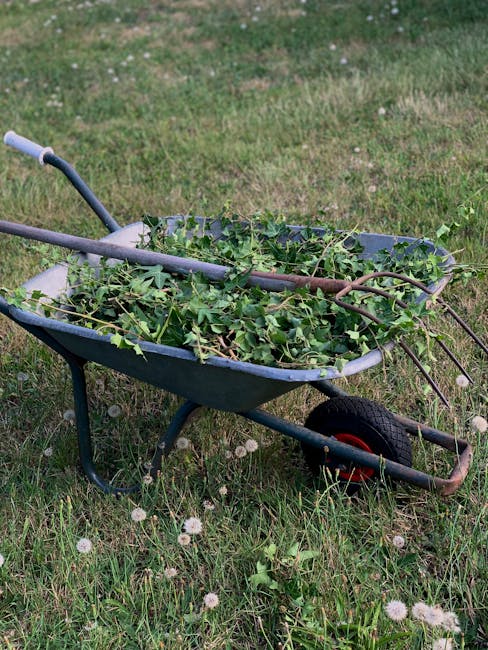
- a wheelbarrow if you have narrow but workable access
Useful local-thinking resources
For many households, the most practical "resource" is not a product at all, but a sensible service mix. If the work is mostly trimming and routine upkeep, a maintenance visit may be enough. If there is a bigger seasonal reset, then clearance is usually the more efficient route. If the garden layout itself needs rethinking, broader outdoor design support can help future-proof the space.
That is where services such as services overview and about us can help you understand the wider support available, while recycling and sustainability is a good fit if you care about reducing waste and handling green material responsibly.
And yes, if the work is awkward or time-consuming, professional help can be worth it simply for the clean-up alone. The actual cutting is often only half the job.
Law, Compliance, Standards, or Best Practice
For Camden residents, the safest rule is to treat tree pruning as a task that may be subject to local controls, not as an automatic DIY free-for-all. The exact position depends on the tree, the location, and whether it has any legal protection. Where there is doubt, it is sensible to check before starting work. That caution is not overcautious; it is just good practice.
Best practice in the UK generally includes:
- checking whether a tree is protected or in a sensitive area
- avoiding unnecessary removal of healthy growth
- using competent people for larger or riskier work
- keeping a tidy site and disposing of waste appropriately
- protecting workers and bystanders from falling debris and tools
Garden waste itself should be managed responsibly. In plain terms, that means separating green waste from general rubbish wherever possible, avoiding fly-tipping or informal dumping, and using proper collection or recycling routes. A pile of cut branches dumped in the wrong place is still somebody's problem later, and usually it becomes everyone's problem at once.
If your work is part of a broader contract, it is also sensible to read the company's health and safety policy, insurance and safety information, and terms and conditions so expectations are clear from the outset.
Options, Methods, or Comparison Table
Not every garden job needs the same level of intervention. Here is a straightforward comparison to help you choose a sensible route.
| Approach | Best for | Pros | Limitations |
|---|---|---|---|
| Light DIY pruning | Small hedges, soft growth, tidy-ups | Cheap, quick, flexible | Can go wrong if the plant is misread or waste is underestimated |
| DIY with waste removal | Moderate garden tidying and seasonal clear-outs | More control over timing, better for smaller volumes | Requires time, tools, bags, and transport planning |
| Professional pruning support | Mature trees, tricky access, larger branches | Safer, cleaner finish, less guesswork | Usually higher upfront cost |
| Full garden clearance | Overgrown or neglected spaces | Fast reset, waste handled in one go | Less incremental control, may involve more intensive work |
The right method is usually the one that matches the level of risk, not just the amount of mess. A small garden can still be a complicated one. Camden gardens do like to surprise people like that.
Case Study or Real-World Example
Imagine a typical back garden in Camden: a modest lawn, a mature tree near the rear fence, and a hedge that has pushed well beyond neat boundaries by late summer. The owner starts with good intentions on a Friday evening. By Saturday lunchtime, there are branches on the path, a sack that is too heavy to lift properly, and a nagging feeling that the tree is larger than expected.
Instead of forcing the issue, they pause and break the job into stages. First, they check whether the tree looks protected or unusually significant. Next, they trim only the minor growth and remove dead twigs. They bag the hedge clippings separately from the thicker wood and keep the path clear. By the end of the day, the garden is tidy enough to use, and the remaining work is contained rather than chaotic.
That is the practical win. Not perfection. Control. You do not need every branch gone at once. You need the job to be safe, sensible, and finishable without creating a second job for Monday morning.
Practical Checklist
Use this before you start:
- Have I checked whether the tree or hedge may be protected or sensitive?
- Do I know which branches I will remove and why?
- Have I got the right tools, gloves, and eye protection?
- Is the weather suitable for cutting and waste handling?
- Have I planned how to move waste out of the garden?
- Am I keeping green waste separate from general rubbish?
- Do I need a clearance visit rather than a small tidy-up?
- Have I considered access for bins, bags, or removal equipment?
- Will I leave the site clean, safe, and free of sharp debris?
- Have I allowed enough time so I do not rush the job?
Expert summary: if the tree is large, the waste is heavy, or the rules are unclear, stop and assess before cutting. That one pause can save time, money, and a proper headache later.
Conclusion
Camden Council rules for tree pruning and garden waste are really about thoughtful garden management. Prune with care, check whether the tree needs extra attention, separate your waste properly, and choose the disposal method that fits the job. Once you see the process as two parts rather than one big vague task, it becomes much easier to handle.
The best results usually come from calm, practical decisions: a little planning, the right tools, and a clear idea of what the garden needs rather than what feels quickest in the moment. That is especially true in Camden, where space is tight and outdoor areas need to work hard.
If your garden has become more than a light tidy-up, or if you want help dealing with cuttings, branches, and bigger outdoor jobs in one go, consider speaking with a local team that understands both the practical and environmental side of the work.
Get a free quote today and see how much you can save.
And if you are the sort of person who likes a neat finish and a calmer backyard, that tidy little result can genuinely change how the whole place feels.
Frequently Asked Questions
Do I need permission to prune a tree in Camden?
Not always, but you should never assume. If the tree is protected, in a conservation area, or otherwise sensitive, there may be extra controls. When in doubt, check first rather than cutting and hoping for the best.
Can I put tree branches in my household bin?
Usually not in any meaningful amount. Small bits may fit, but branches and larger green waste are generally better handled separately. Keeping them out of general rubbish makes disposal cleaner and more practical.
What counts as garden waste?
Garden waste usually includes grass cuttings, leaves, hedge trimmings, small branches, weeds, and other biodegradable plant material. It does not normally include rubble, pots, plastic ties, or broken outdoor items.
Is it better to compost garden waste myself?
If you have the space and the right mix of material, yes, composting can be a very good option. It works best for softer green waste. Thicker woody material takes longer and may need chipping or separate handling.
How often should I prune hedges and small trees?
That depends on the species and how fast it grows. Many hedges benefit from regular light trimming rather than one aggressive cut each year. Small trees need a more considered approach, especially if they are mature or close to boundaries.
What are the risks of pruning too much?
Removing too much growth at once can stress the plant, expose it to disease, and leave it looking sparse for longer than you expected. It can also trigger weak regrowth that is harder to control later.
Can I leave garden waste on the pavement while I work?
Only if you are sure it will not create an obstruction or safety issue, and even then it should be temporary. In a busy area like Camden, keeping paths clear is usually the safer and more considerate option.
When should I call a professional?
If the tree is large, awkwardly placed, clearly unstable, or potentially protected, professional help is the safer call. The same goes for jobs with heavy waste, difficult access, or a lot of moving parts.
Is green waste the same as mixed garden rubbish?
No. Green waste is biodegradable plant material. Mixed garden rubbish may include plastics, soil, rubble, broken tools, and other non-organic items. Sorting them makes disposal much easier.
What is the easiest way to deal with a big pile of cuttings?
Break it down early. Separate soft waste from woodier material, use bags or a tarp, and keep the work area clear. If the pile is already large, a clearance approach is often more efficient than trying to chip away at it over several weekends.
Are there safety issues with pruning trees at home?
Yes. Common risks include slips, cuts, falling branches, eye injury, and overreaching on ladders. Even a small job can become awkward quickly if the ground is wet or the branch is heavier than it looks.
How can I keep my garden tidy after pruning?
Regular upkeep is the key. Light trimming, prompt waste removal, and a simple maintenance routine prevent the garden from spiralling into a larger project. A little consistency goes a long way, honestly.