Common access problems for Holborn gardeners in mews houses
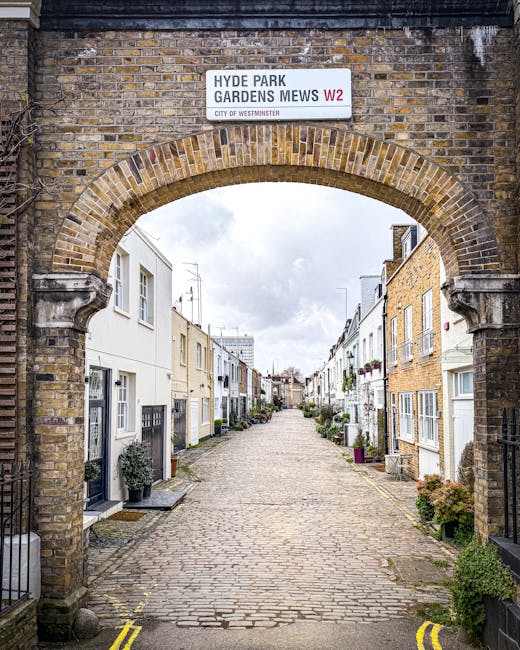
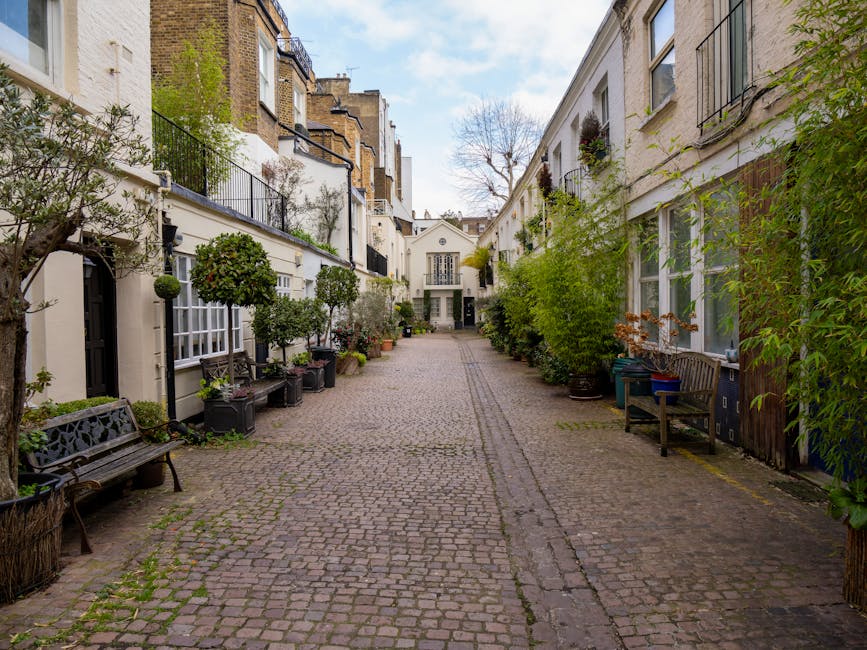
Holborn mews houses have a charm that never really gets old: tucked-away entrances, cobbled lanes, compact courtyards and gardens that often feel like little hidden rooms. Lovely for living, yes. Straightforward for gardening? Not always. The most common access problems for Holborn gardeners in mews houses can slow work down, limit equipment choices, complicate waste removal and make even a simple lawn tidy-up feel like a logistical puzzle.
If you live or work in one of these properties, you will already know the pattern. A gate that only opens partway. A narrow passage beside a basement stairwell. Shared access with neighbours. No obvious place to park. And then, after five minutes, the wheelbarrow discovers the one uneven step you forgot about. This article breaks down the real-world access issues, why they matter, how professionals work around them, and what to check before any visit.
Why access problems matter in Holborn mews gardens
Access is not a small detail. In mews properties, it can shape almost everything about a garden job: how long it takes, what machinery can be used, how much waste can be moved, and whether delicate surfaces stay protected. A garden that would be easy in a suburban driveway can become awkward in a narrow central-London setting. Truth be told, many of the frustrations happen before the first hedge is cut.
In Holborn, space is often at a premium. Mews houses may have shared entrances, recessed front doors, basement lightwells, rear courtyards, or garden routes that wind through internal halls. That means a gardener may need to carry materials further, use lighter equipment, or break work into smaller stages. None of this is impossible. It just needs planning.
Why does it matter so much? Because poor access can lead to avoidable problems:
- missed time slots due to parking delays or loading restrictions
- damage to paving, steps, gates, walls, or interior floors
- limited ability to bring in bulk waste sacks or larger tools
- higher labour effort for the same size of job
- more disruption for residents, neighbours, or other building users
It also affects expectations. A small courtyard prune is not just a small courtyard prune when everything must pass through a tight side gate and a shared alley. That is the bit people often underestimate.
How access challenges affect garden work
When a gardener assesses a mews house, the first question is often not what needs doing? but how do we get there safely and efficiently? That can sound obvious, but it really is the foundation of the job. Access determines the route, the tool choice, the amount of protection needed and, sometimes, whether the work should be split into phases.
Here is how access problems usually show up in practice:
Narrow entrances and tight passageways
Some mews entrances are fine for a person on foot but not for a loaded wheelbarrow, long hedge trimmer, or bags of green waste. Even a slightly awkward turn can create repeated knocks against walls or railings. Over time, those little knocks matter. They are the sort of thing no one notices until paint is scuffed or a corner is chipped.
Steps, thresholds, and uneven surfaces
Many mews properties have level changes between street, courtyard, and garden. One or two steps may not seem like much, but if a gardener needs to move heavy bags, compost, soil, or cuttings, those changes quickly become a bottleneck. Wet stone and mossy paving can also make things slippery. London mornings can be damp for longer than you expect.
Shared access and neighbour coordination
In mews settings, access may pass through communal areas or shared lanes. That means someone else may need to open a gate, move a bicycle, or simply be told a certain route will be used. It sounds simple. But if that message is missed, work can stall immediately.
Parking and unloading restrictions
Even if the garden itself is accessible, the journey from vehicle to site may be the real problem. Short loading windows, limited stopping space and busy Holborn streets can make unloading awkward. Gardeners may need to carry kit by hand from a legal parking spot a fair distance away, which changes labour time and scheduling.
Restricted storage and waste movement
There may be nowhere convenient to stage materials or pile up waste before removal. That means cuttings need to be bagged carefully, stacked safely, and moved out in the right order. If not, you end up with a congested working area and everyone spends too much time stepping around each other. Not ideal.
For larger or messier jobs, services such as garden clearance or garden maintenance become much easier to deliver when access has been mapped in advance, because the team can plan for waste flow and equipment handling from the outset.
Key benefits and practical advantages
Getting access right does more than prevent problems. It improves the whole visit. A well-planned route can save time, reduce stress and produce a cleaner finish. It also protects the property, which matters a great deal in tightly built mews homes where one careless scrape can be expensive to put right.
- Cleaner work: Fewer detours mean less mud dragged through paths and fewer accidental knocks on walls or gates.
- Better timing: With access sorted, the gardener can focus on the task rather than logistics.
- Safer handling: Tools and waste are easier to move when the route is clear and level.
- More suitable equipment: The right choice of hand tools, compact machines or battery tools depends on access constraints.
- Less disruption: Neighbours, residents and passers-by face less noise, clutter and interruption.
There is also a quiet quality benefit. When access is sorted properly, detail work improves. Edges get finished neatly. Waste does not sit around. The whole place feels more intentional. In a mews setting, where the garden is often seen from close range, that makes a big difference.
If the job includes hard-landscape changes, access planning becomes even more important. For example, landscaping and decking services often involve materials that are awkward to carry through tight routes. A little forethought prevents a lot of frustration later on.
Who this is for and when it makes sense
This topic matters to several groups, not just homeowners. If you are a landlord, property manager, leaseholder, gardener, or contractor working in central London, you will recognise at least some of these situations.
- Homeowners: You want a tidy garden without damage to floors, gates or shared spaces.
- Landlords and managing agents: You need reliable access planning so visits happen with minimal complaints.
- Gardeners: You need to know what kit to bring, what to avoid, and how long the job will really take.
- Tenants: You may need to arrange access, check responsibilities, or simply reduce disruption for neighbours.
- Property developers or designers: If a site is being redesigned, access needs to be considered before planting, paving or structures go in.
It makes sense to think about access before any seasonal work, especially after a long spell of growth or before an event. A quick cut in spring is one thing. Clearing an overgrown courtyard after a few wet weeks is another story entirely.
For regular upkeep, a structured lawn mowing or hedge trimming visit can be planned around access constraints more easily than a one-off emergency tidy, because the route and routine are already understood.
Step-by-step guidance for a smoother visit
If you are trying to reduce access issues, the simplest route is usually the best. Start early, be precise, and do not assume anything. A five-minute conversation can save an hour of awkward carrying later. Here is a practical process that works well in mews properties.
- Map the route from street to garden. Note every gate, side passage, step, slope, and doorway. If the route is different for waste removal and tool access, write that down too.
- Measure the narrow points. You do not need architecture-level detail. Just enough to know whether wider tools, wheelbarrows or bags will fit comfortably.
- Check parking and unloading options. Identify where a vehicle can legally stop, even if it is a short walk away. Small delays here can snowball.
- Flag fragile surfaces. Think glass doors, polished tiles, painted timber, old brickwork, granite steps and loose paving. These details shape how equipment should be moved.
- Agree who opens what. Gates, communal doors, basement access, storage sheds, bin stores - if someone has to let the team through, make that clear in advance.
- Choose the right equipment mix. Compact battery tools, hand tools and smaller bags may be better than larger machines. Sometimes less is more. A bit old-fashioned, but true.
- Stage waste removal carefully. Decide whether waste will be bagged and carried out in batches or cleared at the end of the visit.
- Review the plan once on site. Conditions change. A route that looked simple on paper may be blocked by a car, a skipped delivery, or a surprise pile of bicycles. It happens.
Where the job is larger, many clients choose to start with an initial clean-up before moving to ongoing care. That is where services overview pages are useful because they help people understand which type of work fits the site and which jobs need more planning.
Expert tips for better results
There are a few lessons experienced gardeners tend to learn quickly in mews streets, and they are often the same lessons clients learn after one awkward visit. Nothing dramatic. Just practical things that save time and protect the property.
- Use lighter, smaller kit where possible. Battery tools are often easier to carry and quieter in enclosed spaces.
- Protect floors and thresholds. Clean mats, dust sheets or temporary covers can be worth the effort, especially on polished interiors.
- Carry less, more often. Smaller loads are slower in theory, but safer and cleaner in practice.
- Work top-down when clearing. Remove loose material before tackling heavier debris, so the route stays workable.
- Keep noise in mind. In enclosed mews lanes, sound carries. Start with quieter tasks if people are likely to be in and out.
- Leave a clear exit path. It sounds basic, but one blocked route can turn the last 20 minutes into the worst 20 minutes.
A small human thing: if you are unsure whether a gate width or corridor turn is genuinely tight, it usually is. People tend to be optimistic with measurements. We all do it. Then the wheelbarrow says otherwise.
For jobs involving overgrown shrubs or boundary planting, planning around access also makes landscape gardening and future maintenance easier. A site that is awkward today can be made much more manageable tomorrow with a few sensible design choices.
Common mistakes to avoid
Most access problems in mews houses are not caused by the property itself. They are caused by assumptions. That is the annoying bit. The good news is that the mistakes are predictable, which makes them easier to avoid.
- Assuming standard access. A normal suburban setup and a Holborn mews layout are not the same thing.
- Forgetting shared spaces. If another resident controls a gate or passage, include them early.
- Ignoring waste exit routes. A team can get into a garden and still struggle to get waste back out.
- Booking the wrong time of day. Busy hours make parking and unloading more difficult.
- Using oversized tools by default. Bigger is not always better, especially in confined areas.
- Not protecting surfaces. One careless drag across a threshold can spoil a neat job.
- Leaving access notes vague. "Side gate on the left" is not enough if there are three side gates and one is locked, slightly hidden, and temperamental.
Another mistake is treating access as a one-time issue. In reality, gardens change. A route that was fine in summer may be messier in winter, especially after rain. A bin store can shift, deliveries can block a lane, or climbing plants can close over a passage. So yes, review it each time.
Tools, resources and recommendations
For mews gardens, the right tools often matter more than the biggest tools. Compactness, control and cleanliness beat brute force most days.
| Access challenge | Helpful approach | Why it works |
|---|---|---|
| Narrow passage | Lightweight hand tools and smaller load sizes | Reduces collisions and makes turning easier |
| Shared gate or entry | Pre-arranged access times and clear keyholder contact | Prevents delays and awkward waiting |
| Protected flooring | Dust sheets, mats and careful route planning | Helps avoid marks, dirt transfer and slips |
| Waste removal constraints | Bagging waste in stages and clearing the route last | Keeps movement tidy and controlled |
| Limited parking | Shorter visit blocks and efficient load-in sequences | Improves punctuality and reduces disruption |
For clients who want routine upkeep, a properly planned garden maintenance arrangement is often more practical than repeated one-off calls. It gives everyone a clearer rhythm, which is oddly comforting in a busy part of London.
If access problems are tied to overgrown hedges, a heavy plant load or cluttered garden storage, it may be sensible to combine maintenance with tree lopping and removal or broader clearance work. And if the garden has mixed hard and soft surfaces, the right landscaping plan can reduce future bottlenecks.
Useful internal pages for practical planning include pricing and quotes for budgeting, insurance and safety for peace of mind, and health and safety policy if you want a clearer sense of working standards.
Law, compliance, standards and best practice
Access work in mews houses is not usually about complex regulation, but there are still important standards and duties to respect. In the UK, anyone carrying out garden work should think carefully about safe manual handling, clear walkways, trip hazards, and the protection of residents and neighbouring properties. In shared or communal spaces, courtesy is part of compliance too, even if it is not written on a sign.
Best practice usually includes:
- making a realistic risk assessment for narrow or stepped access
- keeping pathways clear while work is underway
- lifting and carrying loads safely, especially on stairs or uneven paving
- using suitable protective coverings where there is a risk of staining or scratching
- communicating access times and any noise or waste movement in advance
Where there are staff, contractors or multiple trades on site, it is sensible to coordinate responsibilities rather than letting everyone improvise. That sounds obvious, but in busy central properties it can be surprisingly easy for people to step over one another. A sensible route plan and a safe working method do most of the heavy lifting.
If you are checking a provider, it can also help to review their accessibility statement, terms and conditions, and recycling and sustainability approach. Those pages can tell you a lot about how organised and thoughtful the service really is.
Options, methods and comparison table
There is no single correct method for access in a mews house. The right choice depends on the property layout, the scale of the work and how much disruption you can tolerate. A small tidy-up and a full clearance are not the same beast.
| Method | Best for | Pros | Trade-offs |
|---|---|---|---|
| Manual carry with hand tools | Small gardens, tight entries, delicate interiors | Highly controlled, low impact, quiet | Slower for bigger jobs |
| Compact battery equipment | Routine maintenance and light trimming | Quiet, portable, less exhaust or fuel handling | May not suit very heavy clearance work |
| Phased clearance visits | Overgrown or cluttered mews gardens | Reduces congestion and keeps routes open | Takes more planning and repeat visits |
| Combined maintenance and landscaping plan | Sites needing longer-term improvement | Can reduce future access issues | Higher upfront coordination |
In many cases, the best solution is a mixture. A gardener might use hand tools for the internal courtyard, compact equipment for paths, and a phased waste strategy for the bulkier cuttings. Simple. Not easy, but simple.
Case study or real-world example
Consider a typical Holborn mews courtyard with a rear garden accessed through a narrow side passage and a short flight of stone steps. The garden itself is not huge, but it has a dense hedge, some tired planting, a small lawn edge and a build-up of cuttings from the previous season.
On paper, it sounds like a half-day tidy. In practice, the passage is just wide enough for one person carrying smaller bags, and the gate only opens fully if a bicycle is moved first. The nearest legal parking spot is a short walk away, so equipment has to be loaded efficiently. Not a disaster. Just a layout that demands thought.
The job is handled by:
- pre-walking the access route before unloading
- using compact cutting tools rather than larger machines
- laying floor protection near the threshold
- bagging waste in smaller loads to keep the route clear
- keeping the gate schedule agreed with the property owner
The result is neat, but more importantly it is calm. No one is rushing. No one is tripping over cut branches. And the final clean-up is faster because the site has stayed organised from the start. That is the real lesson: access planning is not glamorous, but it absolutely changes the outcome.
Practical checklist
Use this checklist before any gardening work in a mews house. It is short, but it catches most of the usual snags.
- Confirm the exact entrance and who has the keys or access code
- Measure narrow gates, passageways and any tight corners
- Check for steps, slopes, wet surfaces or fragile paving
- Identify where parking or unloading is realistically possible
- Decide whether neighbours or managing agents need notice
- Protect floors, thresholds and other sensitive surfaces
- Choose tools that fit the route, not just the task
- Plan where waste will be staged and how it will leave the site
- Review any shared-space rules before work begins
- Leave a clear exit route for the final sweep and load-out
Expert summary: in Holborn mews houses, access is usually the hidden factor that decides whether garden work feels smooth or stressful. If the route is clear, protected and properly communicated, almost everything else becomes easier. A garden can be small and still be surprisingly tricky, and that is perfectly normal.
Get a free quote today and see how much you can save.
Conclusion
The common access problems for Holborn gardeners in mews houses are rarely dramatic on their own. It is usually a collection of small barriers: a narrow gate, a shared passage, awkward steps, limited parking, and a waste route that needs patience. Put them together, and a simple visit can become surprisingly complex.
That does not mean the work is difficult to do well. It just means success depends on planning, communication and the right tools for the space. When those pieces are in place, mews gardens can be maintained beautifully, without stress or damage, and without turning the whole street into a minor obstacle course. To be fair, that is exactly what most people want.
And once the access is sorted, the garden tends to feel better straight away. Calmer. Cleaner. More manageable. A nicer place to step into on a grey London morning, which is no small thing.
Frequently Asked Questions
What are the most common access problems for Holborn mews gardens?
The most common issues are narrow gates, tight passageways, steps, shared entrances, awkward parking and difficult waste removal routes. Often it is not one problem, but several small ones together.
Why do mews houses need special access planning for gardening?
Because the route from street to garden is often constrained. A gardener may need to carry tools and waste by hand, protect floors, coordinate with neighbours and work around limited parking. Planning avoids delays and damage.
Can a gardener still work if access is very tight?
Usually yes, but the job may need smaller tools, more manual carrying, or phased visits. In some cases, a clearer access plan or extra preparation from the property owner makes all the difference.
Does limited access make gardening more expensive?
It can, because tight access usually means more time, more care and sometimes more labour for waste handling. The exact cost depends on the site, the amount of work and how straightforward the route is.
What should I tell a gardener before they visit a mews property?
Tell them about gate widths, steps, shared access, parking limits, the route to the garden, and any surfaces that need protection. If possible, mention where waste can be stored or taken out.
Is parking always a problem in Holborn?
Not always, but it is often part of the planning conversation. Even when a vehicle cannot park right outside, a workable loading or unloading plan may still be possible.
What tools work best in restricted-access gardens?
Compact hand tools, lightweight battery equipment and smaller waste bags often work best. Bigger machinery is not always practical in mews settings, especially if there are steps or narrow turns.
How can I protect my property during garden work?
Use floor protection, keep routes clear, move fragile items out of the way, and make sure the gardener understands which areas are delicate. Good communication and a tidy working method go a long way.
Do shared entrances need special coordination?
Yes, they do. If a gate, passage or courtyard is shared, it is sensible to let everyone affected know in advance. That helps avoid interruptions and keeps things civil, which is always welcome.
What if my garden has both access issues and overgrowth?
Then a more structured approach is usually best. Clearance first, then maintenance, and possibly a longer-term landscaping plan if the layout itself is causing recurring difficulty.
Can access problems affect hedge trimming and lawn care too?
Absolutely. Even routine jobs like hedge trimming and lawn mowing become slower and more awkward if the route in and out is cramped or hard to protect.
What is the best next step if I am unsure about access?
Walk the route, make notes, and speak to the gardener before booking. A few accurate details about gates, steps and parking can prevent most of the headaches later on. Honestly, it is one of those small tasks that pays back quickly.